03/11/2025

The New Global Tariff Landscape and its Impact on Logistics

The evolution of tariff policies is redefining international trade, presenting both challenges and opportunities for insurers specializing in cargo transport.

The recent tariff policies implemented by the Donald Trump administration, along with responses from other trade blocs, have generated a fragmented and complex international trade environment.  

This new reality presents significant challenges for the insurance industry, particularly in cargo transport, where it is crucial to comprehend and adapt to these changes to continue offering effective solutions to our clients. 

The differentiated impact of tariffs across regions

The imposition of new tariffs and the modification of existing ones have significantly altered international trade dynamics. Countries such as the United States have implemented protectionist policies, aiming to reduce trade deficits and safeguard domestic industries.

These measures have led to a reconfiguration of supply chains, compelling businesses to seek alternative suppliers and adapt to new trade routes. This scenario has increased logistical complexity, impacting both costs and delivery times.

Key differences among countries and trade blocs:

The United States and its Protectionist Approach 

The Donald Trump administration has maintained a firm policy of defending national production, applying tariffs to strategic products such as steel, technology, and the automotive industry. Although some tariffs have been reduced to ease tensions, uncertainty remains high.

This strategy has prompted many companies to reconsider their supply chains, seeking alternatives outside of China and relocating operations to other Asian countries or Latin America. This shift in trade routes has increased logistical complexity, affecting both transportation costs and delivery times.

China and its Expansion Strategy 

In response to tariffs imposed by the United States, China has intensified its trade agreements with emerging markets in Latin America, Africa, and Europe. Through the Belt and Road Initiative, it has invested in logistical infrastructure to facilitate the transit of goods and circumvent tariff barriers.

The opening of new maritime and river routes has created both opportunities and logistical challenges, owing to the diversity of regulations and varying stability in certain countries.

The European Union and its Policy on Trade Stability 

The European Union has adopted a balanced stance, reinforcing trade agreements such as CETA and the Mercosur agreement, to counteract the effects of U.S. and Chinese tariff policies. Nevertheless, the strong reliance on manufactured goods from Asia has generated significant logistical challenges, increasing costs and complicating supply in sectors like technology and automotive. 

Latin America and its Growth Opportunity 

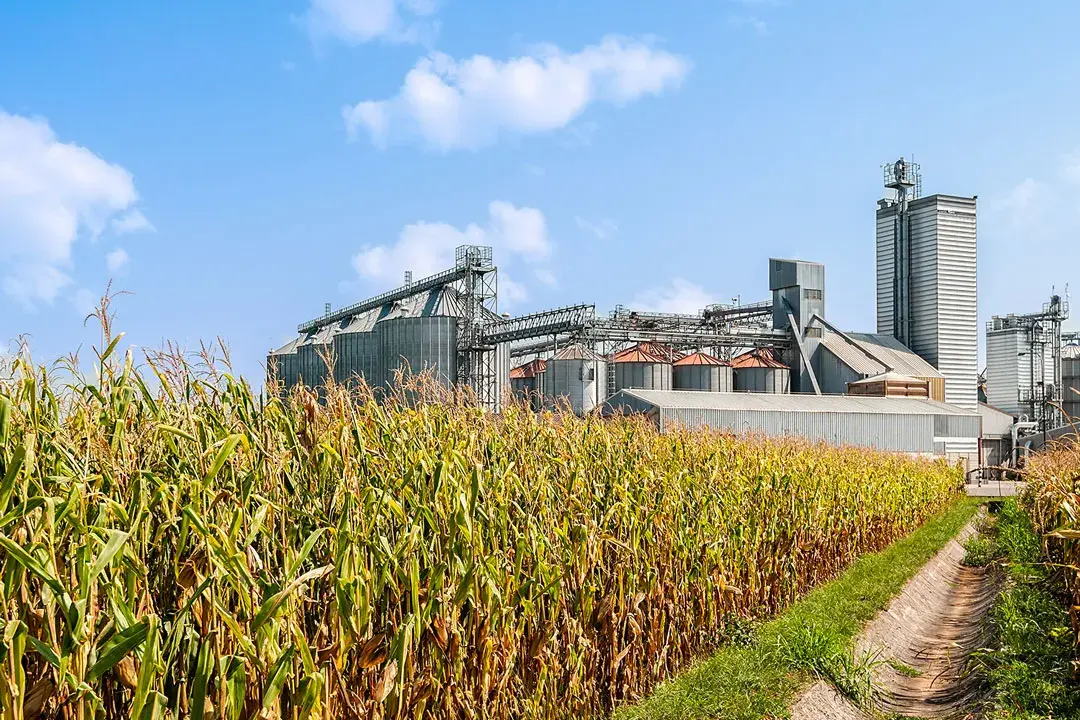
Global trade tensions have propelled Latin America into prominence as a key supplier of raw materials and agro-industrial products. The diversification of suppliers by U.S. and European companies has increased demand for Latin American exports, leading to growth in maritime and land transport volumes.

However, tariff disparities among countries in the region and internal logistical barriers, such as deficient infrastructure and political instability, represent significant challenges.  

How Hanseatica Assists You in Navigating This New Scenario

In light of this complex and evolving landscape, Hanseatica maintains a proactive approach to ensure the effective protection of its clients. We understand that each company faces unique challenges depending on the trade routes and suppliers it utilizes.

Therefore, we meticulously assess the risks associated with new tariff and logistical conditions, offering tailored coverage for each specific situation. 

Our commitment is to always be available to analyze each case individually and adjust our policies according to the specific needs of each client, thereby ensuring the continuity and security of their commercial operations. 

Is your company prepared to face the challenges of the new tariff landscape? Contact us today and discover how our Cargo Insurance can protect and empower your business in this evolving environment. 

Related articles

Privacy Preference Center