
29/07/2025
Future Logistics Corridors in Mexico: How to Protect Your Intermodal Operation with Adequate Insurance.
With the progress of the Interoceanic Corridor, the Maya Train, and new railway routes, multimodal transport is gaining prominence in Mexico. However, with more stakeholders, transshipments, and inherent risks, insuring cargo is no longer optional. Discover how to protect your operation at every stage.
What is happening with logistics infrastructure in Mexico?
Mexico is undergoing a historic transformation in logistics. Megaprojects such as the Interoceanic Corridor of the Isthmus of Tehuantepec, the Maya Train, and the northern railway expansion aim to position the country as a key hub between Asia, the United States, and Latin America.
According to official data, the Interoceanic Corridor will be able to move over 1.4 million TEUs annually, connecting Salina Cruz (Pacific) with Coatzacoalcos (Atlantic), and offering an alternative to the Panama Canal.
However, this interconnectivity also generates new logistical and insurable challenges: multiple segments, more transshipment points, different jurisdictions, and increased risk exposure.
What does it mean to operate intermodally?
Intermodal transport involves combining different modes (rail, truck, ship) under a single logistics operation. While it offers efficiency and cost savings, it also increases critical points where incidents can occur:
- Intermediate loading and unloading (where goods are lost or damaged).
- Temporary storage or facilities lacking adequate infrastructure.
- Transfers between operators with differing contracts and coverages.
- Areas without connectivity or continuous satellite tracking.
All of this demands coverage that is not limited to a single segment of the journey, but rather accompanies the entire chain door-to-door.
What happens if I don't have comprehensive coverage?
In intermodal scenarios, coverage gaps can be very costly:
- Incidents during transshipment not covered by the carrier's insurance.
- Damages in intermediate depots not specified in the policy.
- Cross-liabilities between contractors lacking a Logistics Liability policy.
- Slow response times resulting from inadequate documentation or contractual definition.
In this scenario, traditional coverages —contracted per segment or by transport type— are no longer sufficient. Today, tailor-made insurance solutions specifically designed for integrated logistics flows are required, which not only protect your cargo but also streamline claims, enhance traceability, and strengthen your operational strategy.
Hanseatica, your partner in intermodal transport protection
At Hanseatica, we support Mexico's logistics growth with insurance solutions specifically designed for complex supply chains. Our solutions include:
- All-Risk Cargo Insurance: coverage against damages or losses throughout the entire journey, regardless of the mode (road, maritime, river, rail, or air).
- Container Insurance: particularly relevant when mobile units are utilized under lease agreements or operator liability.
- Logistics Liability: covers errors, omissions, or third-party damages during the logistics process (including warehousing, loading, and unloading).
- Risk Management and technical-commercial advisory.
Because on every route, port, or railway, the priority is that your cargo is protected from origin to destination.
Are you prepared to secure your next intermodal route?
At Hanseatica, we transform logistical complexity into operational security. Review your policies, consult with our experts, and design your ideal coverage for this new era of Mexican transport.
👉 Schedule an appointment with our team and secure the complete journey of your cargo.

Related articles
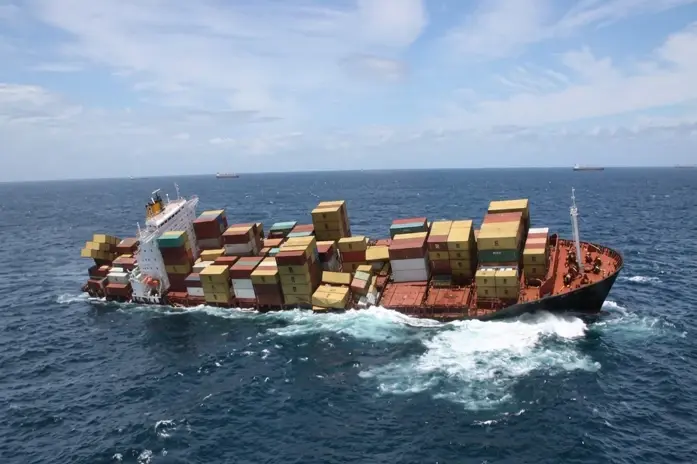
Avería gruesa: qué es y cómo afecta a tu carga
En el transporte marítimo, una emergencia puede generar costos que van más allá de los daños directos a la mercancía.…

Cadena logística del café: prevención de riesgos desde el origen hasta el puerto
El crecimiento del comercio internacional de café impulsa cadenas logísticas cada vez más extensas y complejas.…
Peru Boosts Exports and Strengthens Its Role in Regional Trade
Peru exported US$35 billion in the first four months of 2026 and is solidifying its position as one of the…