
25/03/2025
Global trade reached $33 trillion in 2024, but uncertainty is jeopardizing supply chains.
The 3.7% growth in global trade was insufficient to mitigate the challenges: tariffs, geopolitical tensions, and new sourcing strategies such as nearshoring and friendshoring are redefining logistics and security within global supply chains.
In 2024, global trade reached $33 trillion, registering a 3.7% growth compared to the previous year, according to the latest update from the United Nations Conference on Trade and Development (UNCTAD). However, this progress occurred amidst high political uncertainty, geopolitical tensions, and new sourcing strategies that are redefining supply chains.
For businesses operating in international trade, understanding these shifts is crucial for mitigating risks and successfully adapting to an increasingly volatile landscape.
Geopolitical Tensions and Shifts in Trade Policy
Trade disputes among major economies have created a landscape where the rules of engagement are constantly evolving. In 2024, both the United States and the European Union have strengthened their protectionist stances, increasing tariffs and implementing measures to favor their domestic industries. This has impacted strategic sectors such as technology, energy, and manufacturing, compelling many companies to seek new suppliers or adjust their logistical costs.
Concurrently, instability in key regions, such as the conflict in Ukraine or tensions in the Indo-Pacific, has added uncertainty to the distribution of raw materials and finished products. Security along trade routes and access to critical inputs have become a priority for businesses reliant on international trade.
Nearshoring and Friendshoring: Relocation Strategies Gain Prominence
To address these challenges, many companies have opted to relocate their production and suppliers through nearshoring and friendshoring strategies.
- Nearshoring: involves relocating production to countries near the target market, thereby reducing transportation costs and delivery times. In Latin America, countries such as Mexico and Brazil have benefited from this trend, attracting investments from companies seeking to reduce their reliance on Asia.
- Friendshoring: involves shifting production to allied nations that offer greater political stability and commercial trust. This approach aims to mitigate risks stemming from geopolitical tensions and trade blockades, favoring markets with robust bilateral agreements.
While these strategies offer advantages, they also introduce logistical, regulatory, and infrastructure challenges that necessitate a well-structured risk management approach.
The Impact of New Tariffs and Trade Barriers
Tariff modifications have been a decisive factor in the evolution of global trade. In 2024:
- The United States has imposed new tariffs on technological and energy products, affecting importers and exporters in emerging markets.
- The European Union has strengthened environmental regulations for the import of goods, which has resulted in increased costs for companies operating in the manufacturing sector.
- China and other Asian economies have responded with their own trade measures, creating uncertainty in global supply chains.
For companies in the sector, these changes necessitate continuous updates on standards and regulations, in addition to implementing risk mitigation strategies.
How to Protect Against Global Uncertainty? Efficient Risk Management is Key
Given this evolving landscape in international trade, risk management assumes a pivotal role. Implementing appropriate coverage strategies and logistical planning is essential to ensure business continuity.
At Hanseatica, we understand that security in cargo transport is a fundamental pillar for businesses operating in global markets. We offer Cargo Insurance solutions that adapt to the current challenges of international trade, safeguarding our clients' operations against unforeseen events.
Equip your business for the challenges of international trade
Companies that swiftly adapt to changes in global trade will be better positioned for growth in an increasingly competitive environment. At Hanseatica, we provide the protection and support you need to operate confidently in international markets.
Would you like to know how we can help mitigate risks in your supply chain? Contact us today to find the ideal solution for your business.
Related articles

The Last Mile in Mexico: The Real Logistical Challenge
How last-mile logistics, parcel delivery, and shipment security directly impact the experience…
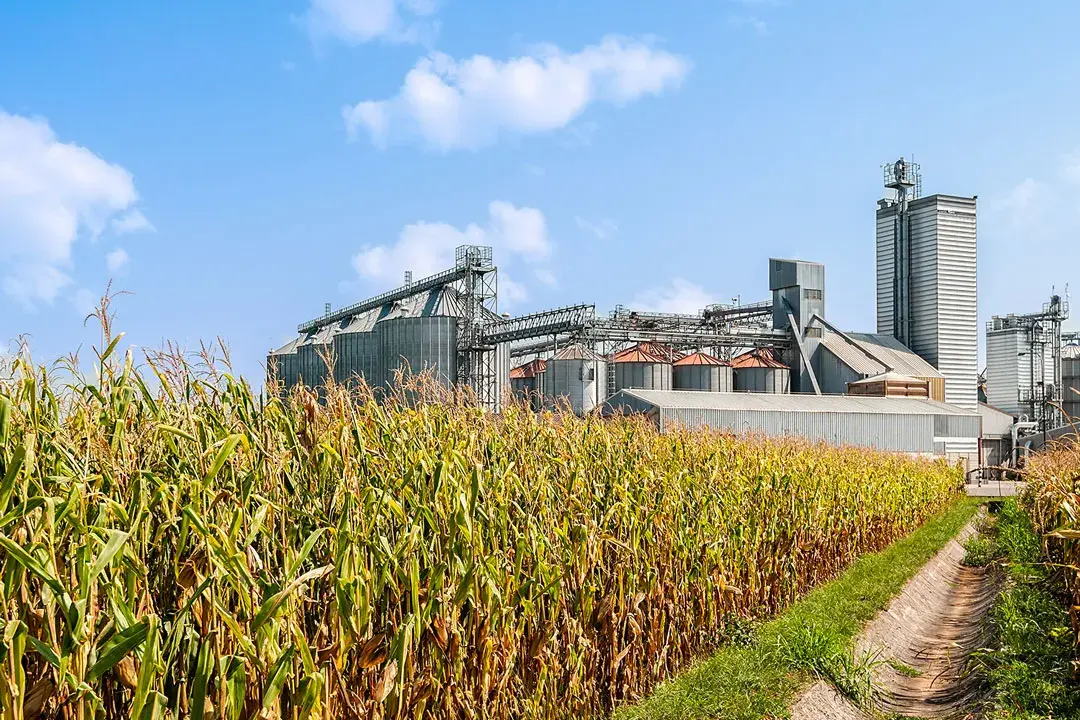
Argentina's 2026 Corn Season: Record Harvest, Rising Exports, and New Market Opportunities
With the DJVE at record highs and shipments to China, the agricultural export sector faces both opportunities and risks in the…

Florida and International Trade: How to Reduce Logistics Risks in Miami
Florida is gaining prominence in international trade and is becoming a hub for an increasing number of logistics operations. But this…