
04/08/2025
The New Protectionist Shift by the U.S. Reshaping Global Trade
Latin America in the Crosshairs of the Tariff War: How New U.S. Duties are Redrawing the Map of International Trade and Elevating Logistical Risks.
Global trade is entering a new phase of tension. The recent imposition of tariffs by the United States —affecting a wide range of products and countries— is generating an immediate impact on trade flows, logistics planning, and the dynamics of international transport.
This shift in U.S. trade policy is not merely a cyclical adjustment. It represents a structural change that alters the balance of international trade, necessitates a rethinking of supply chains, and exposes businesses to new operational and financial risks within an already uncertain geopolitical and economic landscape.
Market reactions were swift. Shipping companies and logistics operators recorded significant declines in their stock values: Maersk fell by 10%, Hapag-Lloyd by 9%, and ZIM by 16.4%. Concurrently, U.S. importers are estimated to face additional costs of between one and two billion dollars daily as a direct consequence of these tariffs.
According to international analysts, the magnitude of these measures finds comparable precedents only during periods of severe global economic contraction. In practical terms, this translates into higher import costs, reduced logistical predictability, and increasing pressure on transportation and insurance expenses.
Immediate Impact on International Transport and Logistics
The logistics sector is among the first to experience the effects of the new protectionism. The increase in tariffs not only impacts cargo volumes but also affects route planning, fleet utilization, and the operational efficiency of major trade corridors.
Key observed effects include:
- Increased import and export costs
- Reduced demand for containerized transport
- Increased congestion at ports and customs checkpoints
- Adjustments to traditional maritime and land routes
This scenario compels logistics operators and foreign trade companies to work with tighter margins and operate in less predictable environments, where any delay or incident can generate significant economic impacts.
Latin America Facing a New Logistical and Commercial Landscape
For Latin America, whose trade relationship with the United States is strategic, the repercussions of the new tariff scheme are particularly significant. Many countries in the region rely on exports sensitive to these duties, which could result in a loss of competitiveness and a reduction in export volumes.
Sectors such as agro-industrial, automotive, manufacturing, and technology are among the most exposed. This is compounded by the necessity to redesign supply chains, seek alternative suppliers, and explore new logistical routes to mitigate the impact of additional costs.
In this context, the primary challenges for the region include:
- Increased exposure to changes in external trade policies
- Forced reconfiguration of traditional logistical routes
- Escalation of operational and insurable risks
- Heightened pressure on port infrastructure
While this scenario presents a threat to certain stakeholders, it also has the potential to unlock opportunities for those nations and enterprises capable of rapidly adapting to the evolving dynamics of international commerce.
Reconfiguration of global supply chains
One of the most profound repercussions of the protectionist pivot is the global reconfiguration of supply chains. Confronted with escalating tariffs, enterprises are compelled to reassess their procurement, production, and distribution strategies.
This encompasses the identification of alternative suppliers, the partial reshoring of production processes, and the reinforcement of multimodal transportation. While such decisions may mitigate reliance on specific markets, they concurrently introduce heightened operational complexity and novel risk exposures across the entire logistics chain.
Implications of this Scenario for International Trade Enterprises
For importers, exporters, and logistics operators, the evolving trade landscape entails heightened risk exposure. Volatility in shipping routes, potential bottlenecks at non-traditional ports, and extended transit times collectively increase the likelihood of incidents and financial losses.
Furthermore, cost pressures and regulatory uncertainty necessitate that enterprises reassess contracts, timelines, and operational parameters. Within this scenario, integrated risk management transcends a mere operational consideration, emerging as a pivotal strategic imperative for business continuity.
Risk Management as a Strategic Imperative
In the face of an increasingly fragmented and volatile trade environment, enterprises must adopt a proactive, preventive approach. Analyzing exposure based on cargo type, market, and logistical route becomes paramount for anticipating potential impacts and mitigating vulnerabilities.
Strategic logistics planning, periodic risk assessments, and a thorough review of available coverages enable organizations to operate with enhanced predictability, even amidst conditions of high uncertainty.
Preparing for a More Uncertain Commercial Environment
Within this scenario, establishing a robust protection strategy is paramount. A comprehensive review of insurance frameworks, particularly those pertaining to international cargo transport, enables the mitigation of impacts from damages, losses, and delays within the logistics chain.
Leveraging extensive expertise in Cargo Insurance and profound insight into the regional landscape, Hanseatica provides Latin American enterprises with tailored solutions designed to navigate complex and evolving scenarios. Its comprehensive coverages address emerging risks in international commerce, safeguarding operational continuity irrespective of global market fluctuations.
Is your enterprise adequately prepared to confront the challenges of international commerce?
The ongoing transformation of global trade necessitates foresight, strategic planning, and risk management precisely aligned with prevailing market realities. Securing appropriate backing enables operations with enhanced security and resilience amidst a perpetually evolving international landscape.
Hanseatica provides you with insurance solutions that adapt to your specific logistics requirements and the rapid pace of global shifts.Contact us!
Related articles

The Last Mile in Mexico: The Real Logistical Challenge
How last-mile logistics, parcel delivery, and shipment security directly impact the experience…
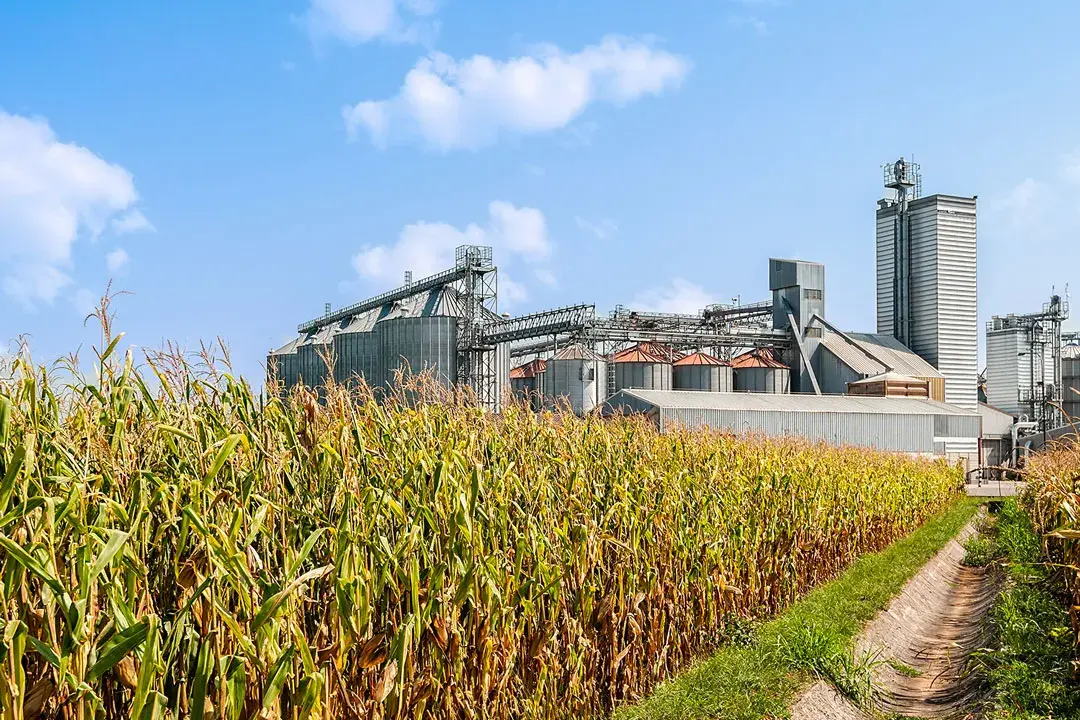
Argentina's 2026 Corn Season: Record Harvest, Rising Exports, and New Market Opportunities
With the DJVE at record highs and shipments to China, the agricultural export sector faces both opportunities and risks in the…

Florida and International Trade: How to Reduce Logistics Risks in Miami
Florida is gaining prominence in international trade and is becoming a hub for an increasing number of logistics operations. But this…