27/05/2025

2025 Hurricane Season: The Logistical and Economic Impact That Cannot Be Overlooked

The Atlantic hurricane season commences, with expectations for one of the most intense seasons in years. We analyze its impact on the logistics supply chain and outline how businesses can mitigate risks.

Climatic Context and Projections

The 2025 Atlantic hurricane season, spanning from June 1st to November 30th, is projected to be one of the most active in recent years. Seventeen named storms are anticipated, with 9 potentially developing into hurricanes and 4 expected to reach Category 3 or higher. This increase is attributed to above-average oceanic temperatures and La Niña conditions.

Impact on Global Logistics

Hurricanes impact various facets of the supply chain: 
  • Disruption of sea and air routes: Storms divert or delay shipments, affecting the timeliness of deliveries.
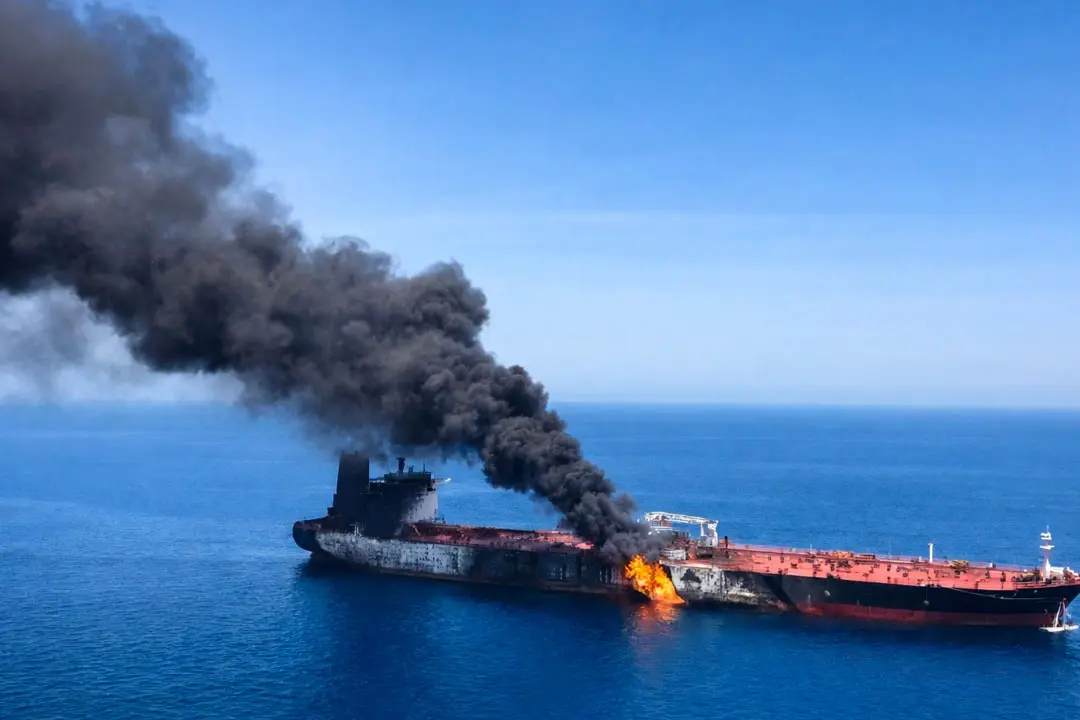
  • Port closures and infrastructure damage: Events such as Hurricane Milton caused temporary closures of key terminals such as Port Tampa Bay.
  • Distribution delays: In previous events, average delays exceeded 8 days in affected areas. 

Economic Costs of Hurricanes

The Relentless Rise of Extreme Climatic Events

Climate change has intensified the frequency and severity of extreme events: 

The Relentless Rise of Extreme Climatic Events

At Hanseatica, we support businesses facing increasingly complex logistical challenges, such as extreme climatic events, by offering specialized coverage and expert consultation to mitigate operational and financial impact. 

Our Cargo Insurance covers damages resulting from hurricanes, storms, and other meteorological phenomena, safeguarding both the cargo and the investment in each operation. Furthermore, our clients benefit from the expert assessment of our risk analysis specialists, who assist them in identifying critical points within their logistics chain, anticipating vulnerabilities, and making more secure decisions. 

Strategic Recommendations to Enhance Prevention

As part of our advisory services, we recommend best practices that many leading companies are already implementing: 
  • Diversification of routes and transportation modes to circumvent hurricane-prone areas. 
  • Strategic placement of distribution centers in regions less susceptible to natural disasters. 
  • Implementation of monitoring technology to anticipate disruptions. 
  • Development of contingency plans and team training to ensure rapid response in critical situations.

At Hanseatica we believe that a preventive approach, coupled with adequate coverage, makes the difference between a total crisis and a resilient operation.
 

Is your coverage commensurate with the evolving climatic risks?

At Hanseatica, we provide coverage for natural disasters and advise businesses on logistical risk assessment. We explain why proactive measures before a hurricane are vital. Contact us!

✉️ info@hanseatica.com
🗓️  Schedule a meeting 


Related articles

Privacy Preference Center