
November 4, 2025
E-commerce 2025: How Black Friday, Cyber Monday, and year-end holidays are redefining logistics and insurance in Latin America and the U.S.
Behind every click lies an uninterrupted chain. In the new era of digital commerce, ensuring delivery is ensuring the experience.
The e-commerce landscape is experiencing unprecedented expansion in both North America and Latin America.
In the United States, consumers spent approximately US$241.4 billion between November and December 2024, an 8.7% year-over-year growth (Barron’s, 2025).
Concurrently, Latin America is solidifying its position as the world's fastest-growing e-commerce region, driven by mobile penetration, digital payment methods, and the widespread adoption of events such as Black Friday and Cyber Monday (eMarketer, 2025).
These milestones do not merely represent sales records. They also redefine how brands plan their logistics, manage their risks, and build trust.
In this article, we explore how logistical operations are transforming and the implications this shift brings for companies that must ensure efficient, secure, and sustainable delivery.
Global Outlook: U.S. and Latin America
United States
During the last year-end season, e-commerce experienced double-digit growth despite inflation. Consumers adopted mobile and social media shopping as primary channels, thereby increasing demands for speed and traceability in shipments.
Latin America
The region is projected to experience the highest growth in retail e-commerce until 2027, according to eMarketer's projections.
Brazil and Mexico are leading this transformation, while Colombia, Chile, and Argentina are gaining traction with an expanding digital payment ecosystem.
Furthermore, over 70% of online purchases are already made via mobile devices (GFS Deliver, 2025).
Key Events: Black Friday, Cyber Monday, and the Holiday Season
These events are not merely promotional campaigns; they serve as accelerators for the digital channel. During Black Friday and Cyber Monday, web traffic can increase fivefold, and logistical volumes can double or triple.
In the United States, Adobe Analytics projects that online spending for the 2025 season will exceed US$250 billion.
In Latin America, discount events drive millions of transactions and bolster financial inclusion and digital payment adoption.
The challenge is that today's consumer not only seeks the best price but also expects a flawless experience, from click to delivery.
Logistical Impact: Speed, Visibility, and Resilience
- Increased Demand for Rapid Delivery: Customers expect shorter lead times, necessitating additional last-mile and distribution center capacity.
- Geographic Expansion: Growth is shifting towards mid-sized cities, which demands more flexible logistical networks (Ecommerce News Latam, 2025).
- Channel Diversification: Marketplaces, mobile applications, and social media are now essential components of the purchasing process.
- Local Payments and Trust: In Latin America, over 70% of consumers opt for retailers that accept local payment methods (dLocal LatAm Report 2025).
- Returns Management: In the U.S., post-sale returns account for up to 20% of orders during the holiday season (Investopedia, 2025).This collectively necessitates early planning, real-time visibility, and responsiveness to unforeseen events.
Preparing for Peak Demand
- Proactive Planning: Anticipate inventory, routes, and logistical partnerships months prior to events.
- Optimize Customer Experience: Implement real-time tracking, streamlined returns, and clear communication.
- Logistical Flexibility: Integrate lockers, pick-up points, and partnerships with local operators.
- Technological Integration: Leverage automation, analytics, and IoT traceability to minimize errors.
- Sustainability: Implement recyclable packaging, efficient routing, and environmental management.
- Regional Coverage: Extend the network beyond capital cities or major urban centers.
The outcome: more agile companies, capable of scaling without compromising customer experience.
The Future of E-commerce: A More Digital and Demanding Supply Chain
In the United States, the maturity of the digital ecosystem drives innovations such as AI in inventory management and predictive logistics.
In Latin America, the challenge lies in consolidating infrastructure, professionalizing logistics, and strengthening the financial resilience of operations.
Companies that successfully integrate technology, delivery capabilities, and risk management will excel in an environment where competition is no longer solely measured by price, but by efficiency, reliability, and service.
The Role of Insurance: Ensuring the Experience, Not Just the Delivery
Behind every online purchase lies a complex network of suppliers, carriers, warehouses, and digital platforms. During periods of high demand —such as Black Friday, Cyber Monday, or the Christmas season— the inherent risks escalate:
- Damages or losses in transit.
- Operational disruptions due to saturation or logistical failures.
- Civil liability for incidents occurring during delivery or return processes.
- Financial repercussions due to contractual breaches or delays.
In this context, Cargo Insurance and Third-Party Liability for Logistics Operators emerge as strategic allies, rather than mere instruments of coverage.
At Hanseatica, we support those driving digital commerce with solutions designed to protect every link in the supply chain, ensuring operational continuity, financial stability, and confidence in the face of any unforeseen event.
Because in the evolving landscape of online commerce, ensuring delivery is paramount to ensuring the customer experience.
Is your logistics operation prepared for the 2025 e-commerce season?
At Hanseatica we help you protect your supply chain with coverage adapted to the dynamics of digital commerce.
Contact us today and discover how to strengthen your business's resilience for the year's most intense season.
Related articles

Risks in Freight Transport in Chile: The 5 Challenges Companies Must Anticipate by 2026
How companies can anticipate key logistics risks and protect their supply chain in 2026.……
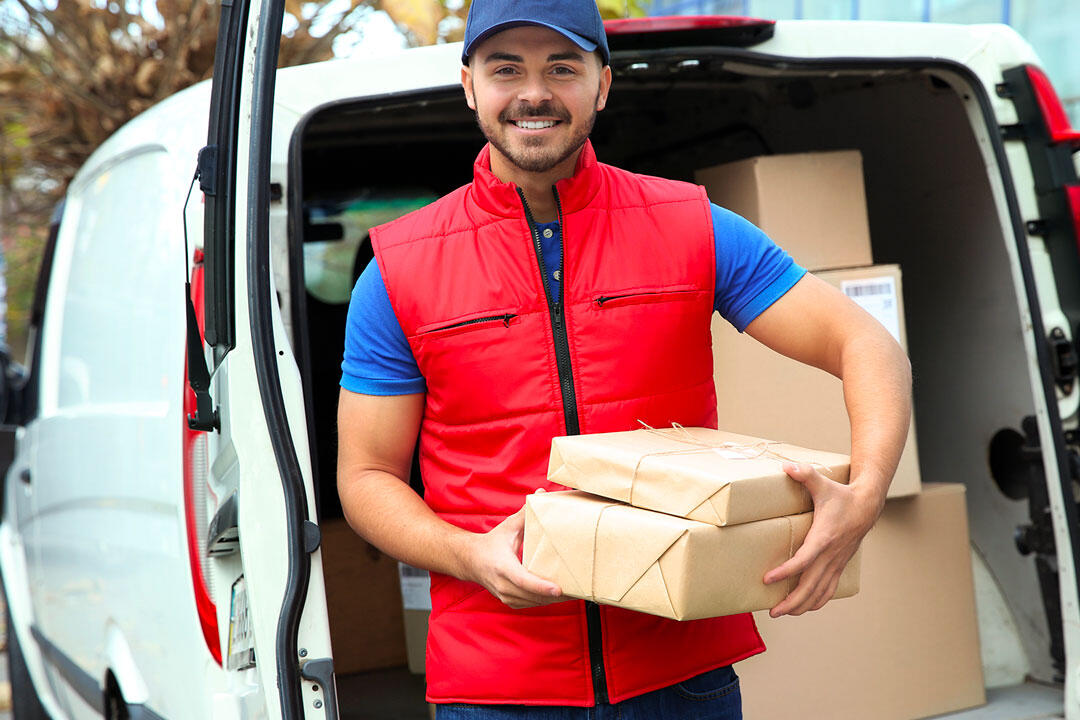
The Last Mile in Mexico: The Real Logistical Challenge
How last-mile logistics, parcel delivery, and shipment security directly impact the experience…
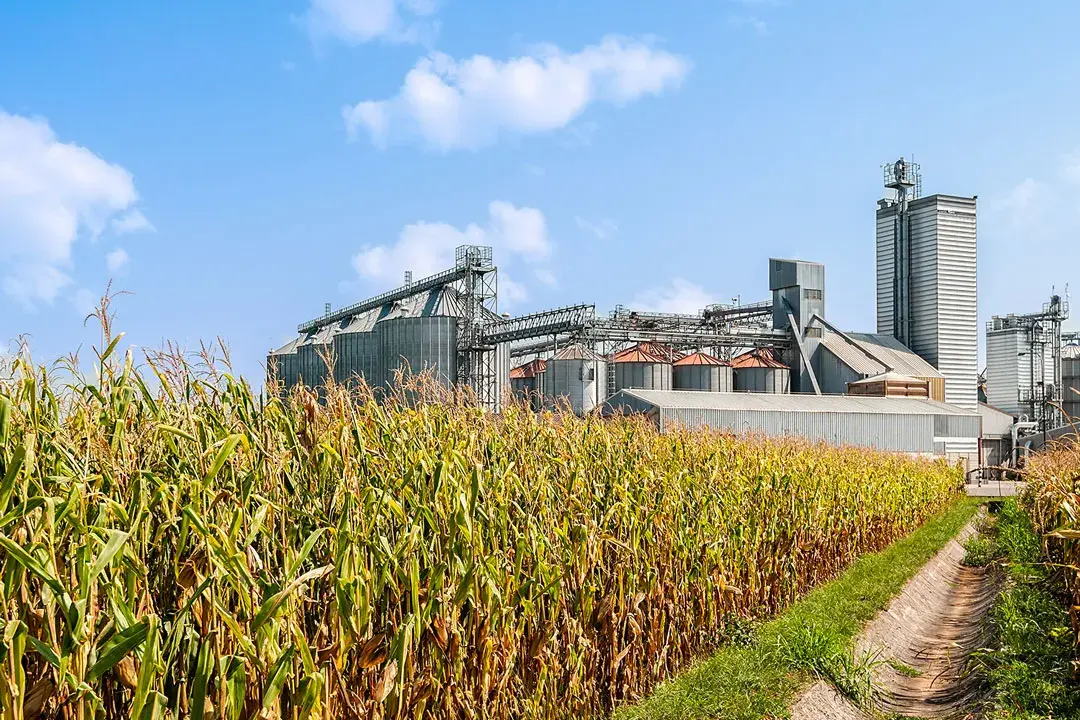
Argentina's 2026 Corn Season: Record Harvest, Rising Exports, and New Market Opportunities
With the DJVE at record highs and shipments to China, the agricultural export sector faces both opportunities and risks in the…