
June 1, 2026
Is your cargo ready for takeoff? Checklist to protect your air cargo in 2026
At Hanseatica, we promote a culture of proactive prevention, and in this article, we outline 5 key points that can make the difference between a secure delivery and an uninsured incident.
In 2025, air cargo transport demonstrated moderate but sustained growth, with demand increases measured in cargo tonne-kilometers (CTK), the key indicator of sector activity. In months such as April and September, global demand grew by 5.8% and 2.9% year-on-year respectively, reflecting the resilience of this logistics modality in the face of a changing economic landscape.
According to sector projections, the total volume transported by air is estimated to have reached 69 million tonnes in 2025, reaffirming its strategic role in moving high-value, urgent, or sensitive products.
However, with speed also come new risks. The complex traceability, multiple layovers, and high operational turnover mean that inadequate coverage can become an operational and financial problem.
At Hanseatica, we share this checklist to help you avoid coverage gaps and ensure your cargo arrives as it should: protected.
1. Verify that the packaging complies with international standards
While seemingly basic, this is one of the most frequent reasons for claim denials. If the cargo is fragile, perishable, or valuable, ensure it is packaged in accordance with IATA regulations or the carrier's specific requirements. Inadequate packaging can invalidate coverage.
2. Declaring the actual value of the cargo is not optional
Underestimating the value to secure a lower premium can prove costly. In the event of an incident, compensation will be proportionate to the declared value. Furthermore, it will complicate the claims process.
3. Mandatory Review: The Contract with the Courier, Forwarder, or Airline
What is the extent of the logistics operator's liability? Does it include compensation for loss or damage? Not all contracts cover this. What is not explicitly stated, is not covered.
4. Ensure Your Policy Covers More Than Just the Air Leg
Risk does not commence upon takeoff nor conclude upon landing. Numerous incidents occur in intermediate warehouses, during transshipments, or within the cargo hold. Ensure you have comprehensive door-to-door coverage.
5. If the Cargo Transits Through Sensitive Regions, Disclose It
Routes traversing areas with conflict, strikes, sabotage, or geopolitical risk may necessitate special clauses. Failure to disclose this information can result in automatic exclusions. Always consult with your advisor.
Do you want to know how to protect your cargo during air, land, or maritime transport?
Each mode of transport entails distinct risks: from handling damage to theft, loss, or extreme weather conditions. Understanding these risks —and how to mitigate them— is crucial for making informed decisions, preventing coverage gaps, and ensuring operational continuity.
Do you require personalized advice?
Our team of logistics insurance experts is available to help you assess your operations and design tailored coverage. Contact us!
📘 Download our free ebook containing everything your company needs to know to insure its cargo at every stage of the journey, regardless of the mode of transport.

Related articles

Argentina's 2026 Corn Season: Record Harvest, Rising Exports, and New Market Opportunities
With the DJVE at record highs and shipments to China, the agricultural export sector faces both opportunities and risks in the…

Florida and International Trade: How to Reduce Logistics Risks in Miami
Florida is gaining prominence in international trade and is becoming a hub for an increasing number of logistics operations. But this…
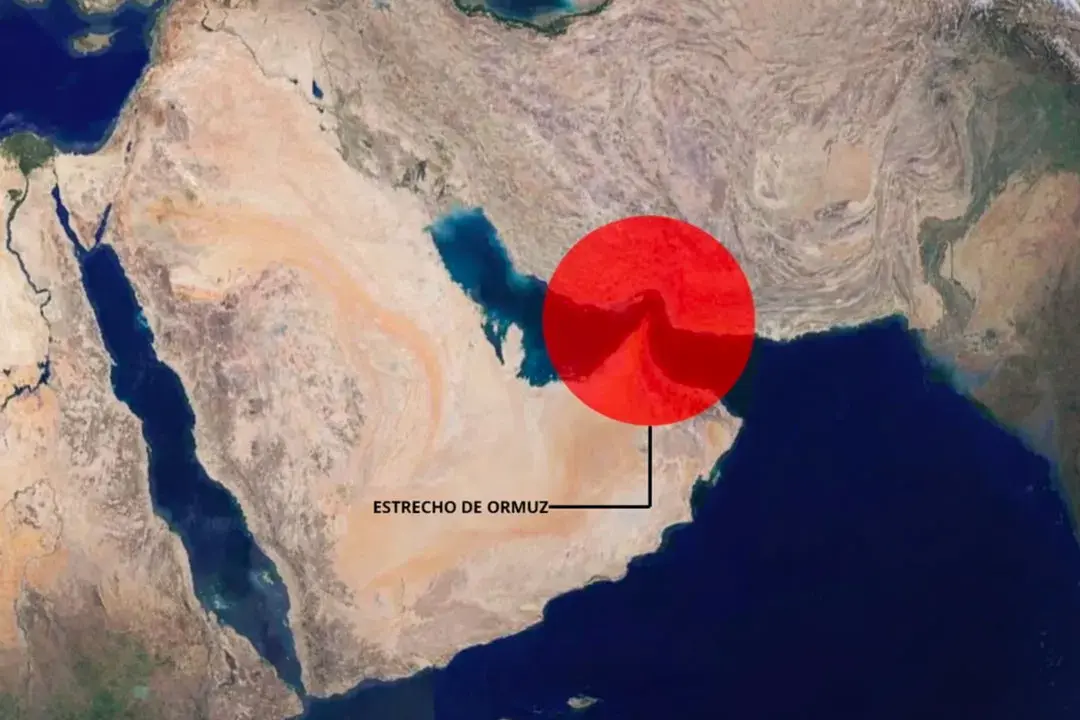
The Strait of Hormuz Effect: The Four Main Channels of Impact on the Argentine Economy
Tensions in a pivotal global energy corridor are already affecting freight rates, insurance premiums, and critical operational costs for…