
February 10, 2026
Civil Liability Insurance: what it covers, when it is necessary, and why it is key for companies
A tool to protect assets, operations, and business continuity against third-party claims.
In a context of increasing judicialization and greater regulatory requirements, claims for damages to third parties have become one of the main risks for companies. An operational incident, an unintentional error, or a failure in facilities can quickly lead to legal claims, high economic costs, and damage to corporate reputation.
Faced with this scenario, Civil Liability Insurance plays a central role as a tool for asset protection and risk management, allowing organizations to deal with claims without compromising their financial stability or operational continuity.
What is Civil Liability Insurance and what is it for?
Civil liability insurance covers damage that a person, professional, or company may cause to third parties unintentionally, whether through action or omission.
This damage may include:
- Personal, when they affect the physical integrity of third parties.
- Materials, when they damage the property of others.
- Economic, when they generate financial losses resulting from the damage.
Its main function is to protect the insured party's assets, covering both the corresponding compensation and the legal expenses associated with defending against a claim or lawsuit.
What situations does civil liability insurance cover?
In practice, civil liability claims usually arise from common situations in business operations, such as:
- Accidents occurring inside or outside establishments.
- Failures in facilities, machinery, or equipment.
- Third-party damages incurred during loading, unloading, or cargo transport operations.
- Errors or omissions in professional or administrative management.
- Incidents at worksites, such as falling objects or damage to adjacent properties.
These are common scenarios that, in an increasingly litigious environment, can escalate rapidly and generate claims with significant economic impact.
The Impact of Liability Claims on Businesses
One of the primary risks is underestimating the true scope of a claim. Beyond the initial damage, the following may arise:
- Substantial indemnities.
- Legal costs and professional fees.
- Expenditure of time and internal resources.
- Operational disruptions.
- Loss of contracts or business relationships.
In many cases, a claim originating from a minor incident can escalate into a complex legal dispute. Without adequate coverage, these factors can seriously jeopardize the company's financial and operational stability.
What is the Purpose of a Civil Liability Insurance Policy?
This insurance enables businesses to:
- Address financial claims without jeopardizing personal or business assets.
- Cover legal defense costs.
- Respond to unforeseen damages that can lead to severe financial consequences.
- Reduce uncertainty regarding legal contingencies.
Not having a Civil Liability Insurance policy means directly assuming the costs of indemnities, legal counsel, and litigation, which in many cases far exceed the economic impact projected in business planning.
Civil Liability Insurance as a Risk Management Tool
From a comprehensive perspective, Civil Liability Insurance not only fulfills an indemnification function but also forms part of a business risk management strategy.
By transferring the economic and legal risk associated with third-party claims, this insurance provides predictability, order, and continuity in the face of unforeseen scenarios. Furthermore, it adapts to various types of activities and exposure levels, supporting businesses in their growth and operational evolution.
When properly integrated, it allows for the transformation of unexpected events into controlled contingencies.
Hanseatica: Expert Advisory on Civil Liability
At Hanseatica, we analyze in detail the actual exposure of each operation to design Civil Liability Insurance policies aligned with risk, current regulations, and business objectives.
Our approach combines legal knowledge, technical expertise, and a strategic view of risk management, helping companies protect their assets and operational continuity against third-party damage claims.
Contact us to assess your level of exposure and ensure you have adequate civil liability coverage for your business.
Related articles

Risks in Freight Transport in Chile: The 5 Challenges Companies Must Anticipate by 2026
How companies can anticipate key logistics risks and protect their supply chain in 2026.……
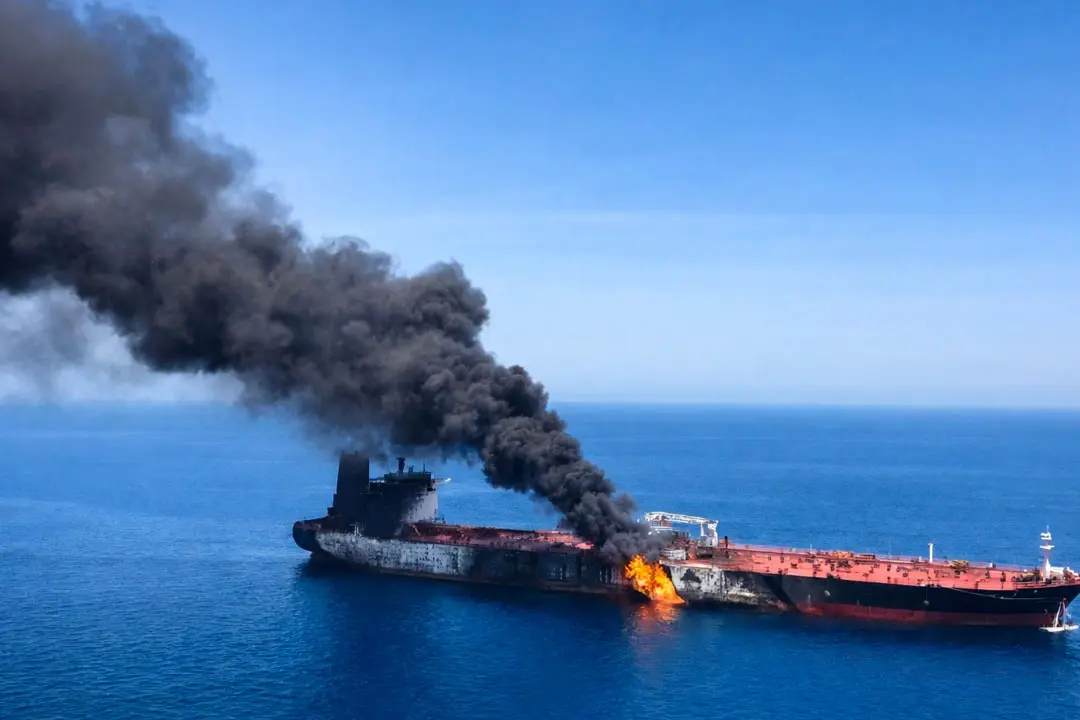
Strait of Hormuz: the new crisis shaking global trade and redefining risks in international logistics
Following a joint bombing by the United States and Israel on targets in Iran, and the subsequent death of the leader...
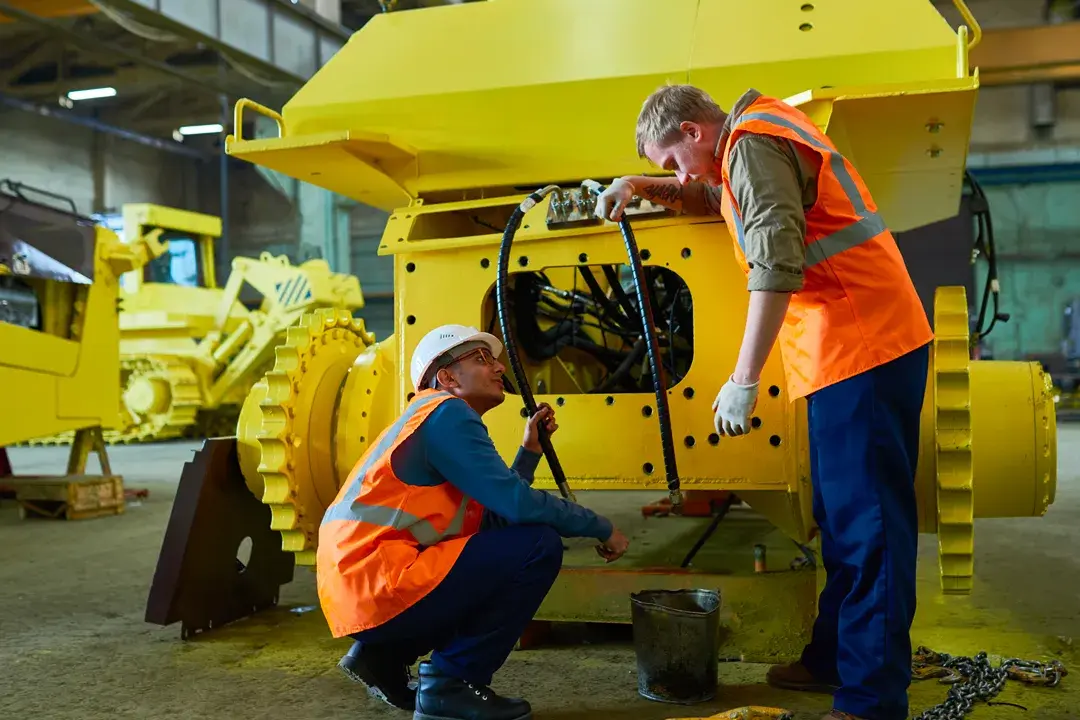
Technical Insurance: unexpected downtime and technical failures, the silent risk that can bring entire industries to a halt
Technical insurance helps cover unforeseen events that could interrupt operations. What does it cover, who does it apply to, and what does it involve?