
February 24, 2026
Technical Insurance: unexpected downtime and technical failures, the silent risk that can bring entire industries to a halt
Technical insurance helps cover unforeseen events that could interrupt operations. What it covers, who it applies to, and how it differs.
In many industries, operational continuity depends on the functioning of various equipment. An automated line, a cooling system, a turbine, a processing machine, or a control center. When there is an unexpected failure, the impact is technical, financial, contractual, and strategic.
These incidents have emerged as one of the most significant, yet often overlooked, risks for industrial, logistics, and energy companies. This is where Engineering Insurance plays a crucial role.
What is Engineering Insurance and what does it cover for businesses?
The Engineering Insurance is designed for industrial, construction, and technology companies, as well as contractors who require protection for their most valuable assets. It is ideal for industries that rely on the operational continuity of their equipment, machinery, and projects to ensure their success.
Coverage, as always, will depend on the specific policy structure acquired. Nevertheless, the most common coverages include:
- Machinery breakdown due to unforeseen damages
- Accidental material damage to electronic equipment
- Protection against electrical failures and power fluctuations
- Material damage to contractors' equipment
- All Risks Construction and Erection
- Damage during erection, testing, and commissioning
Primary causes of machinery breakdown in industries
In Argentina, as in much of Latin America, many companies operate with imported equipment and face extended replacement times, meaning technical failures can lead to significant impacts.
The most frequent causes are:
- Electrical overloads
- Inadequate or deferred maintenance
- Calibration errors
- Failures in automated systems
- Refrigeration system issues
- Poor integration between software and hardware
The issue extends beyond mere repair costs; the true impact lies in operational downtime.
What is the economic impact of a technical failure on business continuity?
An unexpected breakdown can lead to various consequences, such as:
- Loss of production
- Breach of contracts
- Financial penalties
- Supply chain disruptions
- Deterioration of business relationships
- Reputational damage
In sectors such as manufacturing, agribusiness, energy, mining, or logistics, a prolonged shutdown can jeopardize entire quarterly results. Consequently, technical risk should not be analyzed as an isolated event, but rather as a strategic risk to operational continuity.
The distinctions between Engineering Insurance and Operational All-Risk Insurance
Understanding the distinctions of each insurance policy is essential to comprehend which operational aspects are effectively protected.
- Engineering Insurance: specifically focuses on machinery breakdown and internal operational failures. For instance, if a production line halts due to an internal motor failure or electrical damage to critical equipment, this coverage is ideal as it is designed to respond to such unforeseen events.
- Operational All-Risk Insurance: can cover broad material damages but does not always comprehensively address the specific technical risks of industrial equipment. For instance, if a fire or an external event impacts the industrial facility, installations, or cargo, this type of policy typically offers broader coverage for general material damages.
Engineering Insurance: a key risk management tool
In an increasingly demanding and technologically dependent environment, Engineering Insurance ceases to be a secondary coverage and transforms into a strategic tool within corporate risk management.
The question is no longer whether a technical failure can occur, but rather how significantly it would impact operations if it does.
Assessing the actual exposure of critical equipment, replacement lead times, and the financial impact of an unexpected shutdown is a crucial step to strengthen operational continuity.
If your company relies on critical machinery or systems for its operations, it may be time to review its current level of protection. A proper analysis can make the difference between a controlled interruption and a significant loss.
At Hanseatica, we understand that operational continuity is a competitive advantage. Therefore, we design solutions aligned with the actual risks of each industry.
Contact us! And let's analyze together how to prevent these types of events that can paralyze your business.
Related articles

Risks in Freight Transport in Chile: The 5 Challenges Companies Must Anticipate by 2026
How companies can anticipate key logistics risks and protect their supply chain in 2026.……
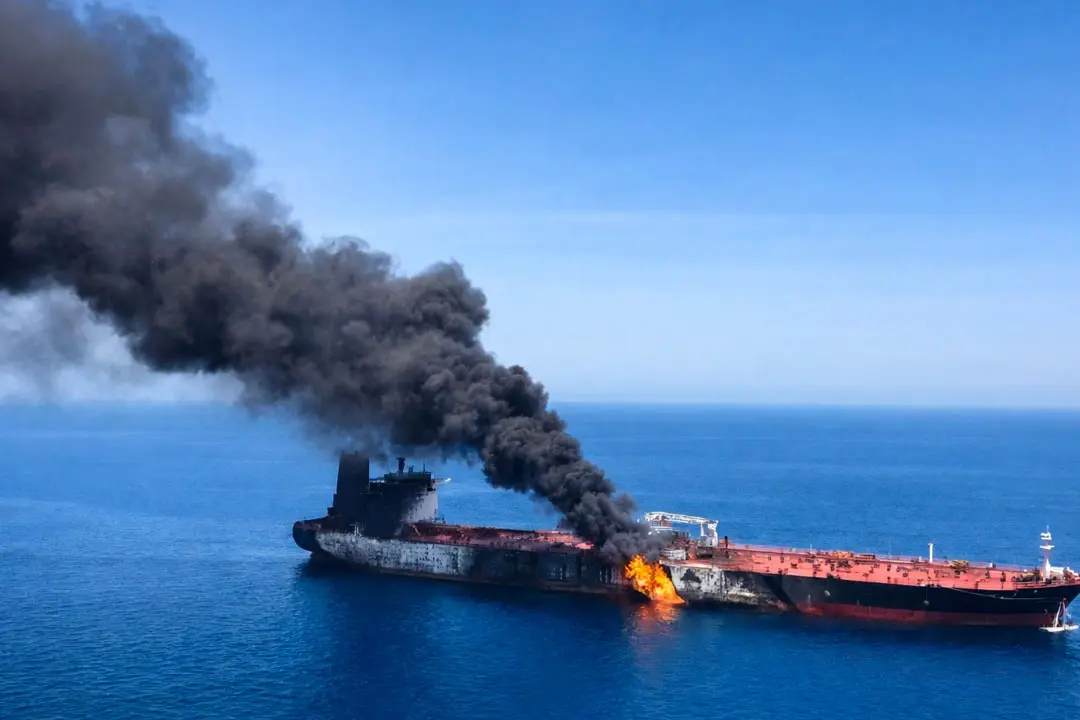
Strait of Hormuz: the new crisis shaking global trade and redefining risks in international logistics
Following a joint bombing by the United States and Israel on targets in Iran, and the subsequent death of the leader...

Frost in Florida 2026: Impact on the Supply Chain and Climate Risk Management
Lessons learned from the impact of frost in Florida on supply chain resilience and...