
November 18, 2025
Mexico and the Rise of Ground Transportation in International Trade
Ground transportation drives over 65% of Mexico's foreign trade in 2025. Logistical modernization and risk management ensure its leadership in the era of nearshoring.
A Nation on Wheels
Mexico is a logistics powerhouse. Its strategic geographic location—between North America and Latin America—makes it a hub for international trade.
But one fact stands out above all others: most Mexican exports and imports travel by road.
Even in 2025, trucks continue to be the primary drivers of Mexico's foreign trade.
Official Figures: The Dominance of Road Transport
According to the latest data from INEGI – Foreign Trade Statistics by Mode of Transport (2024):
| Type of Operation | Road | Maritime | Rail | Air |
|---|---|---|---|---|
| Exports | 66.2% | 17.3% | 12.3% | 4.0% |
| Imports | 46.9% | 35.0% | 6.6% | 10.3% |
Two out of three Mexican exports utilize the road network as their primary outbound route.
Furthermore, when examining trade with the United States, the trend becomes even more pronounced: In March 2025, trucks accounted for 75% of the total bilateral trade value, equivalent to US$55.6 billion in a single month.
Why Does Road Transport Dominate?
The predominance of land transport in Mexico is no accident.
Behind the numbers lie structural and logistical reasons:
- Proximity to the United States: over 3,000 km of shared border facilitate the daily flow of goods.
- Developed Infrastructure: there are over 45 international road crossings.
- Operational Flexibility: truck transport enables door-to-door deliveries, reduced transit times, and enhanced traceability.
- Productive Integration: a significant portion of North American trade operates under just-in-time models, where the agility of truck transport is essential.
Logistical Map: The Routes Driving Mexico's Economy
The significance of ground transportation is best understood by examining the country's economic geography.
According to Mordor Intelligence, 2025:
- The northern border states generate most of the cargo traffic due to the automotive and electronics clusters that supply U.S. plants.
Laredo alone Laredo processes nearly 3 million trucks per year, with a commercial value of US$30.5 million in March 2025.
Recent automation reduced crossing times to 90 minutes, consolidating its logistical dominance. - The central regions serve as a link between agriculture and manufacturing, leveraging the bypasses of the National Highway Plan (35 billion pesos in investment) which alleviate congestion in the Valley of Mexico.
- The Interoceanic Corridor of the Isthmus of Tehuantepec is beginning to redistribute cargo from the Pacific to Veracruz, generating new multimodal routes.
- In the south, tourism expansion indirectly boosts the transport capacity for consumer goods and fuel.
These specific characteristics enhance the resilience and diversification of the Mexican road transport market, which is crucial for logistical stability and regional risk management.
Risk Prevention in International Logistics
The rapid growth of land transportation also brings new challenges.
Among the main operational risks identified are:
- Increased exposure to road incidents and cargo theft, particularly in high-traffic corridors.
- Stricter customs controls and enhanced documentary traceability, necessitating secure and digitized processes.
- Congestion at logistics terminals and infrastructure disparities, which can lead to efficiency losses and increased operational costs.
Mexico Keeps Rolling
In 2025, international cargo transport in Mexico remains predominantly land-based. Trucking continues to be the essential link for global trade, driven by its efficiency and integration with the U.S. market.
The future points toward logistics that are more technologically advanced, sustainable, and competitive.
But one thing is certain: Mexico will continue to move the world, mile by mile.
Hanseatica's Vision: Securing the Route, Ensuring Growth
At Hanseatica, we support companies that drive international trade with comprehensive coverage tailored to the Mexican market.
Our offerings include:
- International Cargo Transport Insurance
- Container Insurance
- Civil Liability Insurance for Logistics Operators
Our focus is to protect every link in the logistics chain, ensuring operational continuity, financial foresight, and confidence in increasingly risky environments
Because in the new landscape of global trade, securing the route is securing growth.
Does your company participate in foreign trade or international logistics from Mexico?
At Hanseatica, we protect the routes that connect your business to the world.
Discover how our specialized insurance solutions can strengthen your supply chain and give you the confidence you needto keep growing. Contact us!
Related articles
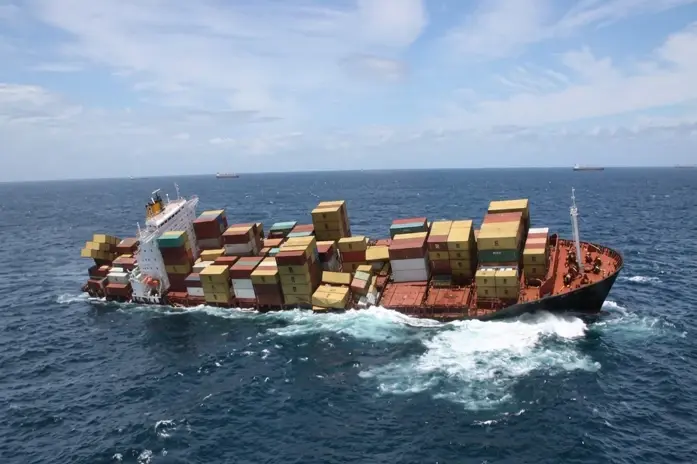
Avería gruesa: qué es y cómo afecta a tu carga
En el transporte marítimo, una emergencia puede generar costos que van más allá de los daños directos a la mercancía.…

Cadena logística del café: prevención de riesgos desde el origen hasta el puerto
El crecimiento del comercio internacional de café impulsa cadenas logísticas cada vez más extensas y complejas.…
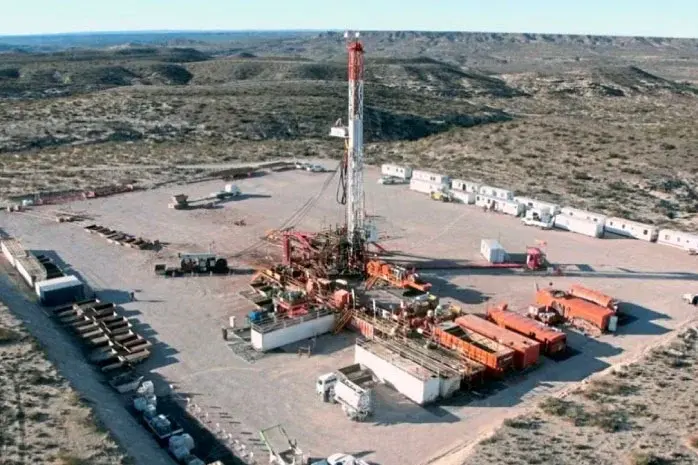
Vaca Muerta: por qué proteger la infraestructura hidrocarburífera es clave para la continuidad operativa
El crecimiento de Vaca Muerta impulsa nuevas infraestructuras logísticas. En este contexto, identificar los riesgos y…