
25/11/2025
Trade Agreement Between the United States and Argentina: A New Impetus for Regional Trade.
The reciprocal trade and investment framework agreement between the United States and Argentina marks a turning point for hemispheric trade, opening a horizon of opportunities for logistical and productive development in South America.In a global context of supply chain reconfiguration, this alliance promises to invigorate trade flows, strengthen technological cooperation, and promote strategic investments in key sectors.
A Framework for Productive Integration
The agreement establishes expanded cooperation in trade and investment, with particular emphasis on preferential access for agricultural, energy, and technological products. Key advancements include:
- Elimination of tariffs and non-tariff barriers on strategic products, which will facilitate trade flow between both countries.
- Increased access to the U.S. market for Argentine exports, particularly beef, lithium, and agro-industrial products.
- Promotion of bilateral investments in the energy, technology, and advanced manufacturing sectors.
These measures aim to simplify customs processes, reduce logistical lead times, and create a more predictable environment for exporting and importing companies, thereby strengthening the competitiveness of the entire region.
Opportunities for South America
Beyond bilateral exchange, the agreement generates a multiplier effect on the regional economy. Argentina is positioning itself as a new logistical and productive hub for accessing the North American market, which can stimulate investments in free trade zones, industrial parks, and infrastructure projects.
For South America, this represents the possibility of integrating into more diversified and sustainable supply chains, oriented towards innovation and resilience against global geopolitical tensions.
Towards More Agile and Sustainable Trade
At a time when logistical efficiency has become a decisive factor for international competitiveness, the U.S.-Argentina agreement lays the groundwork for a new era: more agile trade, with lower costs and improved operational standards.
Furthermore, cooperation in clean energy and critical minerals —key for the energy transition— reinforces both countries' commitment to sustainable and inclusive development.
For the logistics sector, this represents a transformative opportunity characterized by investment, innovation, and connectivity.
Impact on the Insurance Sector: A More Complex and Demanding Value Chain
The new trade framework will bring a significant increase in the volume and diversity of international operations, which presents greater challenges for the insurance sector.
The main emerging trends include:
- Increased volume of high-value-added cross-border trade, such as technological, pharmaceutical, and energy products, which demand more sophisticated coverage.
- Increased logistical risks, with more multimodal operations and transit of perishable or high-value goods requiring customized and real-time insurance solutions.
- Comprehensive digitalization of insurance and risk management processes, aligning with the traceability demanded by modern logistics.
- Growing importance of sustainability, with insurance solutions linked to clean energy, low-emission transport, and responsible supply chains.
In this context, insurers must not only cover risks but also anticipate them and support the transformation of global logistics chains.
Hanseatica: The Partner Securing the Future of International Trade
The new international trade landscape presents unprecedented challenges: higher volume, more diverse routes, and increased logistical demands.
In response, Hanseatica reinforces its role as a strategic partner in risk management, supporting exporters, importers, and logistics operators with International Cargo Insurance solutions tailored to each challenge presented by global trade.
These solutions integrate customized coverage, specialized advice, and financial strength, offering the necessary support to ensure that every operation —regardless of its destination or complexity— is protected from start to finish.
Conclusion: Leading Change with Vision and Confidence
For Hanseatica, this new scenario is not merely a change, but an opportunity to reaffirm its leadership in Latin America and its presence in Florida (USA), serving as an authorized bridge between both regions, facilitating secure, agile operations aligned with new international standards.
Backed by its technical expertise, financial robustness, and global vision, Hanseatica is poised to support businesses seeking expansion within this revitalized commercial landscape, by offering tailored insurance solutions that ensure confidence, continuity, and comprehensive protection.
Thus, Hanseatica solidifies its position as a strategic partner for the future of regional trade, an ally that transforms risks into opportunities and forges robust connections between the markets of the Americas and the global economy.
📩 Contact us to discover how we can support your growth and safeguard your international operations from inception to completion.

Related articles

The Last Mile in Mexico: The Real Logistical Challenge
How last-mile logistics, parcel delivery, and shipment security directly impact the experience…
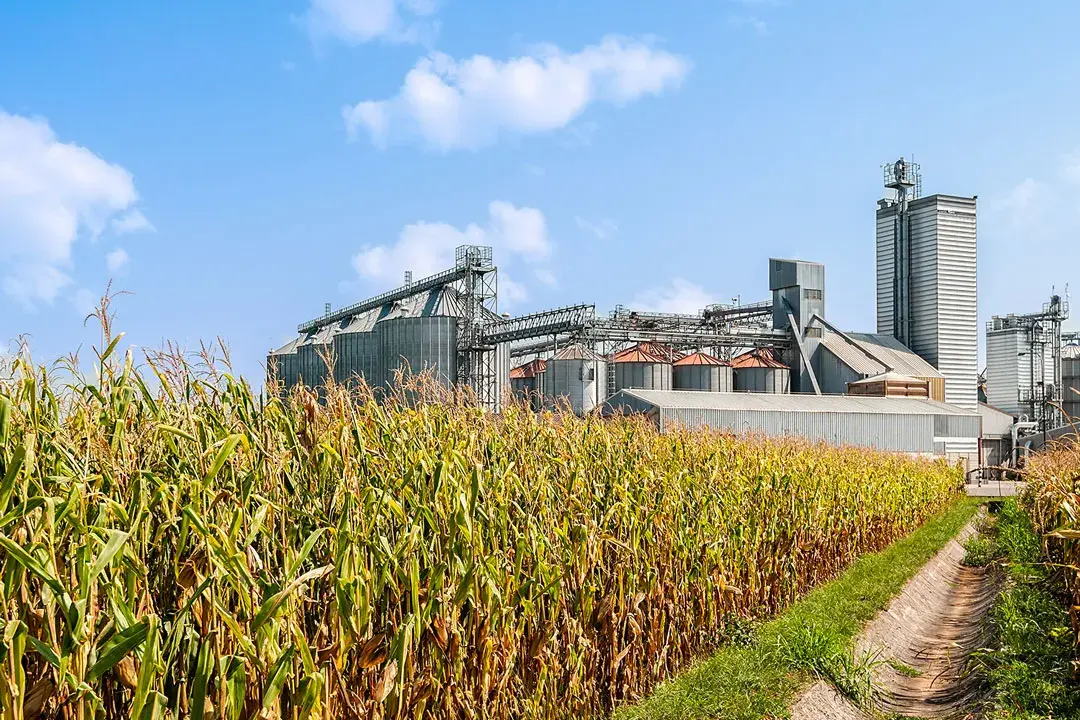
Argentina's 2026 Corn Season: Record Harvest, Rising Exports, and New Market Opportunities
With the DJVE at record highs and shipments to China, the agricultural export sector faces both opportunities and risks in the…

Florida and International Trade: How to Reduce Logistics Risks in Miami
Florida is gaining prominence in international trade and is becoming a hub for an increasing number of logistics operations. But this…