
April 14, 2026
The Last Mile in Mexico: The Real Logistical Challenge
How last-mile logistics, parcel delivery, and shipment security directly impact the customer experience and profitability
The growth of e-commerce in Mexico has evolved from a trend into a structural phenomenon. In 2025 alone, e-commerce grew by 19%, reaching a value of 941 billion pesos, establishing itself as one of the most dynamic drivers of retail in the country, according to the Mexican Online Sales Association (AMVO).
With a growing base of digital consumers and increasingly demanding expectations regarding delivery, the pressure on logistics operations—especially in the last mile—continues to mount.
Today, millions of consumers expect fast, accurate, and seamless deliveries. However, behind that promise lies a critical challenge in every operation: last-mile logistics.
The last mile—that is, the final stage of delivery from the distribution center to the customer—is not only the most visible part of the logistics chain, but also the most complex and costly.
The Last Mile in Mexico: Efficiency vs. Operational Reality
In the Mexican context, the last mile presents unique challenges:
- Severe traffic congestion in cities such as Mexico City, Guadalajara, and Monterrey
- Non-standard addresses
- Failed deliveries due to the customer's absence
- Growing expectations for fast delivery (same-day/next-day)
This makes shipping and parcel logistics in Mexico a decisive factor in the competitiveness of any digital business.
In fact, the growth of e-commerce has significantly boosted demand for delivery services, establishing the last mile as a strategic pillar of the sector.
The role of the courier in e-commerce shipping
In this context, parcel and courier services in Mexico play a key role.
It's not just about delivering packages; it's about ensuring:
- Efficient deliveries
- Real-time traceability
- A positive customer experience
Today, choosing a shipping company is not just an operational decision, but a strategic one that directly impacts brand perception.
The critical factor: security in the last mile
There is one aspect of last-mile logistics that many companies still underestimate: shipment security.
In Mexico, this final leg is not only the most complex from an operational standpoint, but also the most prone to incidents. As packages approach their final destination, the number of handling points increases, as does traffic in densely populated urban areas and exposure to high-risk environments.
In this context, situations such as theft of merchandise, lost items, damage during transit, or deliveries to high-complexity areas are no longer exceptional occurrences but rather variables that companies must actively manage.
The impact of these incidents goes beyond the loss of a single shipment. It involves replacement costs, operational disruptions, and, above all, a deterioration in the customer experience that can directly affect the brand’s reputation.
In a market where trust is a key factor in online shopping, ensuring secure shipping in Mexico is no longer just an added value, but a necessary condition for sustaining and scaling any e-commerce operation.
Parcel Insurance: From a Nice-to-Have to a Must-Have
The last mile is the moment when the promise of delivery to the customer is fulfilled—or broken.
In Mexico, where logistics presents unique challenges, success depends not only on speed, but also on the ability to operate with control, visibility, and support.
Having reliable shipping services, along with appropriate coverage options, allows companies not only to optimize their shipments but also to protect their business against unforeseen events.
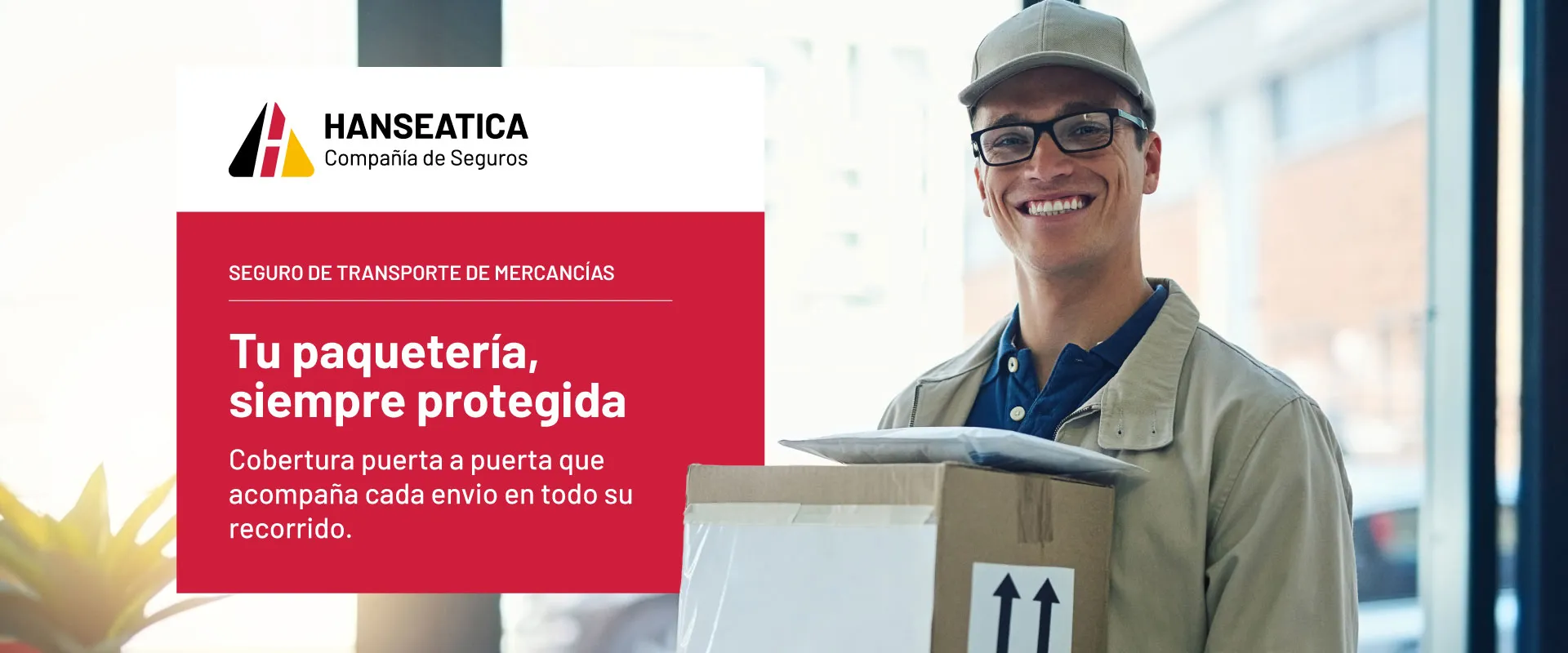
In this context, Hanseatica supports companies with its Freight Insurance—which includes coverage for parcel shipments in Mexico— providing support at every stage of the logistics operation.
If you're looking to strengthen your last-mile strategy and operate more securely, you can contact a specialist from our team to learn more about their solutions tailored to the Mexican market.
Related articles

Risks in Freight Transport in Chile: The 5 Challenges Companies Must Anticipate by 2026
How companies can anticipate key logistics risks and protect their supply chain in 2026.……
Argentina's 2026 Corn Season: Record Harvest, Rising Exports, and New Market Opportunities
With the DJVE at record highs and shipments to China, the agricultural export sector faces both opportunities and risks in the…
Florida and International Trade: How to Reduce Logistics Risks in Miami
Florida is gaining prominence in international trade and is becoming a hub for an increasing number of logistics operations. But this…