
November 20, 2026
Year-End and Peak Shipping Season: Civil Liability That Logistics Operators Cannot Underestimate
The increase in commercial activity during the last few weeks of the year leads to greater demand for logistics services and puts the coordination of the entire transportation chain to the test. For freight brokers and freight forwarders, it also means greater exposure to claims and liability in the event of potential errors.
The end of the year is one of the busiest periods for the international logistics chain. The Black Friday, Christmas, and New Year’s sales campaigns generate a significant volume of shipments, increase demand for ocean and air freight, and put greater pressure on delivery times.
In this scenario, freight brokers and freight forwarders must coordinate increasingly complex operations involving multiple suppliers, documentation, and stages of transport that require constant monitoring. However, amid the priority of meeting deadlines and maintaining the flow of goods, there is one aspect that can take a back seat: civil liability they assume toward their clients.
An error in a shipping document, a failure on the part of a subcontracted supplier, or a delay that affects a delivery can lead to financial claims. Even when the carrier does not directly perform the shipment, its involvement in organizing and coordinating the operation can give rise to liabilities that are important to understand and manage.
Year-End Sales Growth and Its Impact on the Supply Chain
The final weeks of the year account for a significant portion of global commercial activity. Black Friday and Cyber Monday campaigns, along with Christmas and New Year’s shopping, drive sales and generate increased demand for products, warehousing, and distribution.
According to data from Salesforce, between November and December 2025 global online sales reached US$1.29 trillion, up 7% from the same period in 2024. Growth also continued during the second half of December, when sales rose 12% year-over-year.
This commercial trend places greater demands on supply chains. Restocking inventory, coordinating different modes of transportation, and meeting delivery deadlines require greater operational capacity from participants in the logistics chain.
For freight brokers and freight forwarders, this scenario involves managing simultaneous operations, coordinating multiple suppliers, and maintaining control over every stage of the service. During peak periods, documentation errors, coordination failures, and third-party noncompliance can have financial consequences for their clients.
The freight forwarder's unseen responsibility extends beyond the delivery of the cargo
The freight forwarder plays a central role in international trade: he or she coordinates the various services needed to transport goods from their point of origin to their final destination. However, his or her responsibility is not always limited to ensuring that the cargo reaches its destination. It may also involve commitments and obligations that span the entire logistics operation.
Their involvement may include hiring carriers, reserving space, coordinating warehouses, managing documentation, tracking shipments, and facilitating communication among the various parties involved in the operation. Each of these tasks involves decisions and commitments that can have consequences beyond the physical movement of goods.
This is the least visible aspect of their work: freight forwarders may find themselves involved in claims arising from errors or omissions, supplier defaults, delays, coordination issues, or financial losses that affect their clients—even when they do not directly handle the transportation or have control over every stage of the process.
Therefore, you must consider the obligations you assume toward each client and the scope of your contractual involvement. Liability will depend on the functions actually performed, the contractual commitments, the documentation issued, and the laws applicable to each transaction.
In short, it is not enough to identify who actually performed a task or whether the goods reached their destination. It is also necessary to analyze what obligations the operator assumed during the process and what consequences their involvement might have in the event of a failure.
Three Risks That Can Lead to Claims During the High Season
When shipment volumes increase, certain aspects of the operation require special attention. Among the risks that can compromise a freight forwarder’s liability, the following stand out:
- Errors or omissions in the shipping documents
Documentation is an essential component of international trade. The Bill of Lading (B/L), used in maritime transport, and the Air Waybill (AWB), used in air transport, contain the information necessary to identify the cargo, the parties involved, and the terms of transport.
Incorrect information, an inconsistency, or an omission can cause difficulties in the processes of clearing, releasing, or delivering goods.
During periods of high activity, when numerous shipments are being processed simultaneously, document review becomes even more important.
- Failures by carriers and subcontractors
Logistics coordination involves various stakeholders: transportation companies, warehouses, terminals, loading and unloading operators, and other service providers.
Outsourcing to third parties allows us to expand our operational capacity and meet the needs of each shipment. However, it also involves risks related to the fulfillment of the obligations assumed by those suppliers.
A carrier that fails to meet the agreed-upon conditions, a warehouse that causes damage to the goods, or a supplier that does not follow operational instructions can have consequences for the contracted service.
- Delays and Failure to Meet Delivery Deadlines
Overcrowding on certain transportation services, difficulties in transferring between different modes of transportation, and issues at terminals or depots can affect estimated delivery times.
In a season when goods are often tied to marketing campaigns and supply commitments, a delay can have consequences that go beyond the physical delay in shipment.
Product unavailability, a disruption in business operations, or a failure to fulfill commitments to other customers can result in financial claims.
How to Anticipate Civil Liability Risks
Prevention begins before the goods enter the supply chain. Well-organized management helps reduce errors, improve traceability, and provide the information needed to respond to potential claims.
Among the key measures that logistics operators can implement are:
- Review the documentation: Establish controls over the information recorded on the B/Ls, AWBs, and other documents related to each transaction.
- Evaluate suppliers: verify the background, operational capabilities, and contract terms of carriers, warehouses, and other service providers.
- Define responsibilities: Clearly define each participant’s obligations, the contracted services, and the scope of the freight forwarder’s involvement.
- Strengthen traceability: Maintain up-to-date records on the status of shipments, instructions given, and incidents reported.
- Improve communication: Provide timely information about changes to itineraries, operational issues, or possible delays.
- Review insurance coverage: assess whether the coverage purchased addresses the risks inherent in the business and the liabilities the company actually assumes.
These practices do not eliminate all risks, but they help reduce exposure and improve the ability to respond to an incident.
Civil Liability Insurance for Logistics Operators: Protection for Their Business
Risk management does not end with prevention. Even with control and monitoring procedures in place, logistics operators may face claims from third parties for damage to or loss of goods, management errors, and other contingencies related to the services they provide.
To address these risks, Hanseatica offers a Civil Liability Insurance for Logistics Operators, designed for transportation companies, freight forwarders, and operators involved in the handling, storage, and transport of third-party goods.
Coverage varies depending on each condition:
- Road and rail transportation: carried out using company-owned, rented, leased, or subcontracted vehicles.
- Air, sea, and river transport: when an air waybill (AWB) or a bill of lading (B/L) approved by the insurer has been issued.
- Temporary storage: in company-owned or leased warehouses, when related to logistics operations.
- Transshipment, loading, unloading, and handling: of goods in warehouses, performed by employees or agents acting under the insured’s instructions.
In addition, the insurance policy includes additional coverage that is particularly relevant to the operations of freight forwarders and shipping agents:
- Errors or omissions: financial losses suffered by customers as a result of management errors by the insured, in its capacity as a carrier, freight forwarder, warehouse operator, or operator under a logistics contract.
- Damage to or loss of containers: liability for rented containers or repairs requested by customers.
- Customs Procedures Management: when the insured party is involved in these procedures pursuant to a contract of carriage for consideration.
In this way, it allows us to consider not only the risks associated with the movement and handling of goods, but also certain economic consequences resulting from errors or omissions in logistics management.
Preparing for the peak season also means managing responsibility
The increase in shipments during the year-end period puts the coordination capabilities of the entire logistics chain to the test, particularly the civil liability of freight brokers and freight forwarders.
At Hanseatica, we support logistics operators with specialized, customized solutions to protect their business from the risks inherent in international trade.
Related articles

Rental Bond Insurance vs. Landlord Guarantee: Which Is Better for Tenants and Landlords?
Whether you're looking for a place to live or offering a property for rent, choosing the right guarantee…
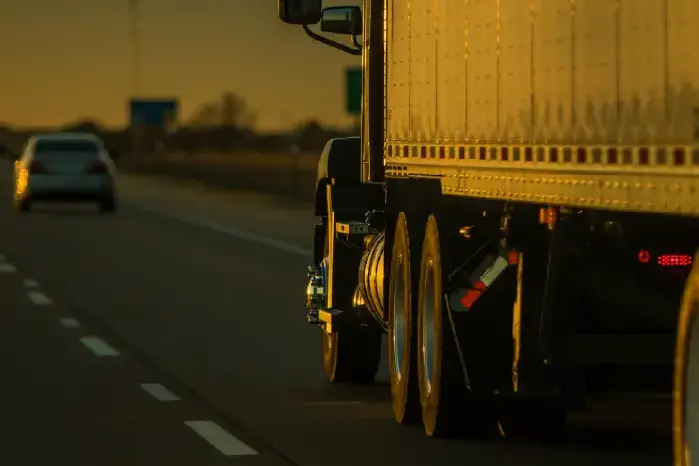
Mexico's Agri-Food Exports to the United States: Logistical Risks and Transportation Insurance During Peak Season
The increase in shipments of fresh produce from Mexico to the United States poses new challenges for the…
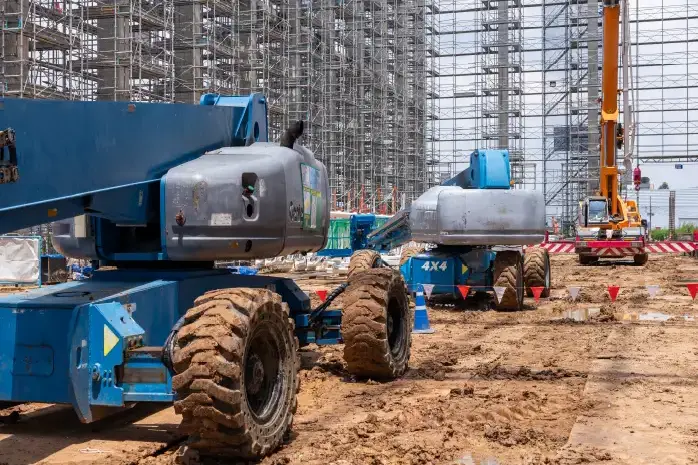
Technical and Industrial Insurance: How to Protect Machinery, Construction Sites, and Critical Equipment Against Failures or Unforeseen Events
From electronic equipment and contractor machinery to construction and installation projects, Technical Insurance…